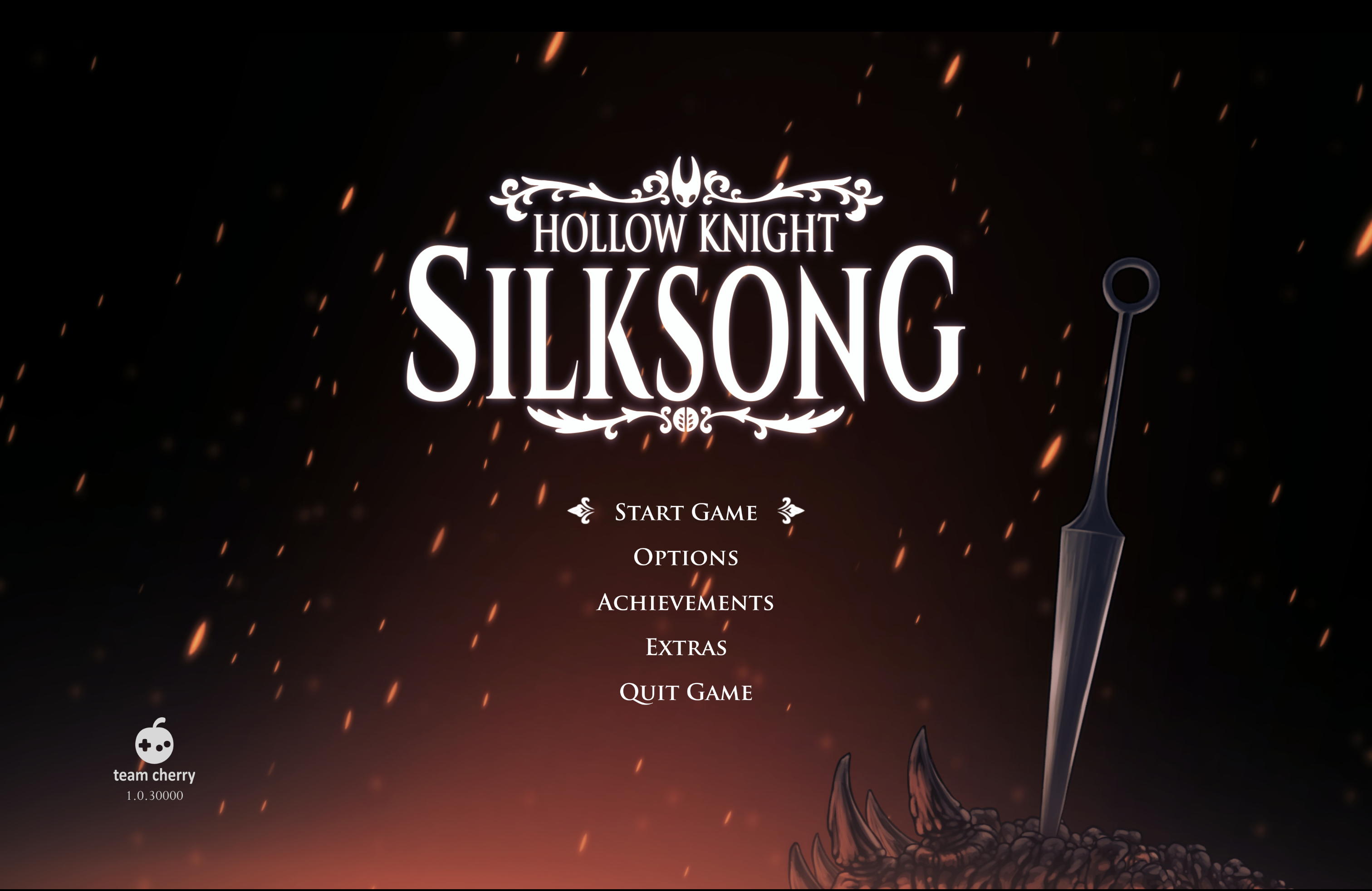
Hollow Knight Silksong review: A world worth finding, an ending not worth chasing
Silksong's world earned 70 hours of my paternity leave. Its padded endgame made me walk away before the true ending.
Hollow Knight: Silksong was fun at first and disappointing overall. I spent roughly 70 hours with it during paternity leave, and I did not finish it. I beat what felt like the first final boss, saw the shape of the true endgame, and walked away.
That was not where I expected to land. I loved the first Hollow Knight. Silksong had enough of what made that game special to keep me going long after I had started resenting the route it was taking to the finish. Its world earned my time. Its structure spent it carelessly.
The Hollow Knight DNA
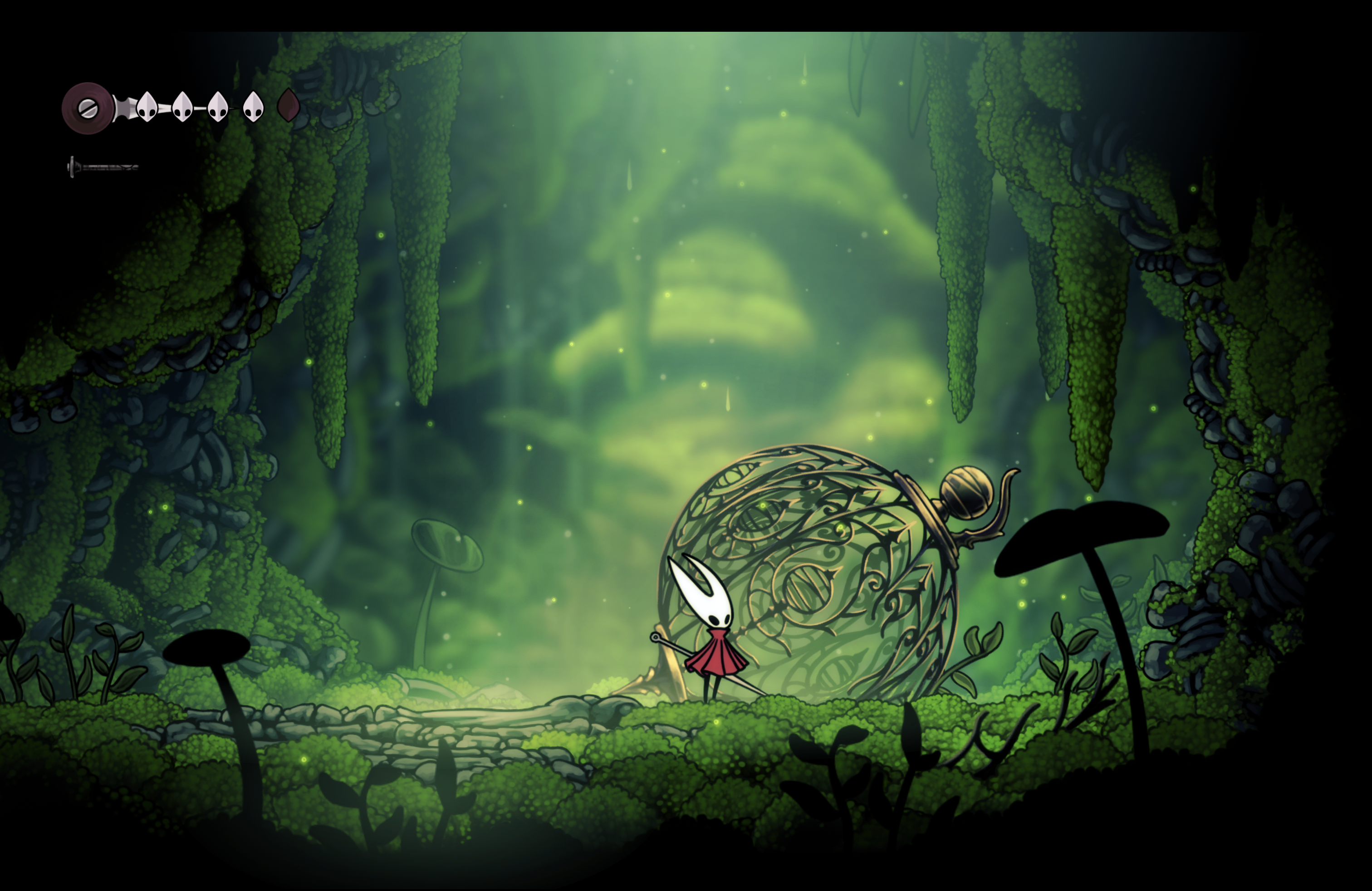
Silksong felt like a genuine successor from the opening hours. Its movement and mechanics had their own character, but the familiar shape was there: a world that unfolded gradually, paths that connected in satisfying ways, and lore that came into focus as I moved through it.
That slow reveal was the reason I kept playing. Every new area carried the promise that there was more to understand. The setting had the same density that made the first game work for me. Details in the environment, the people I met, and the fragments of story kept adding up. I wanted more of that world, and I wanted the story's conclusion.
That praise is not a concession before the criticism. It is the thing that made the criticism matter. If the world had not been this good, I would have stopped much earlier.
Fair combat
The difficulty itself was mostly fine.
That needs saying because it is the easiest way to dismiss a review like this. A hard game needs victories to feel earned. If every challenge folds over on the first attempt, there is not much satisfaction in reaching the next room.
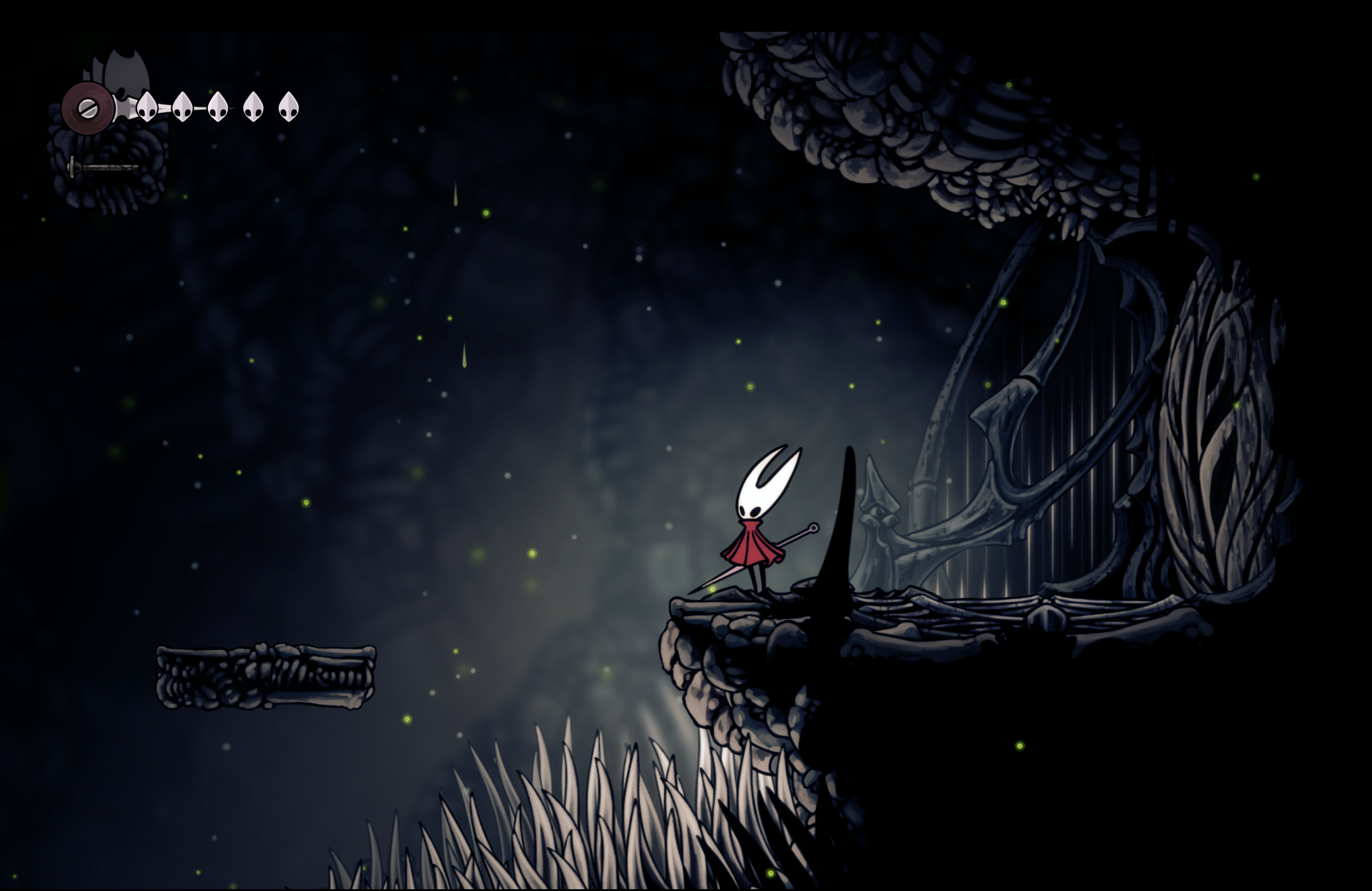
Silksong's combat was fair. When I died, I usually knew what I had done wrong. I mistimed a dodge, got greedy, failed to read an attack, or entered a fight without the patience it required. The game did not rely on random movement or arbitrary move choices to turn an attempt into a loss.
I was not asking it to become easy. The game asked for attention and execution, and it gave enough information to learn what it demanded. That part of the bargain held up.
The trouble was everything it put around those fights.
Time spent between the good parts
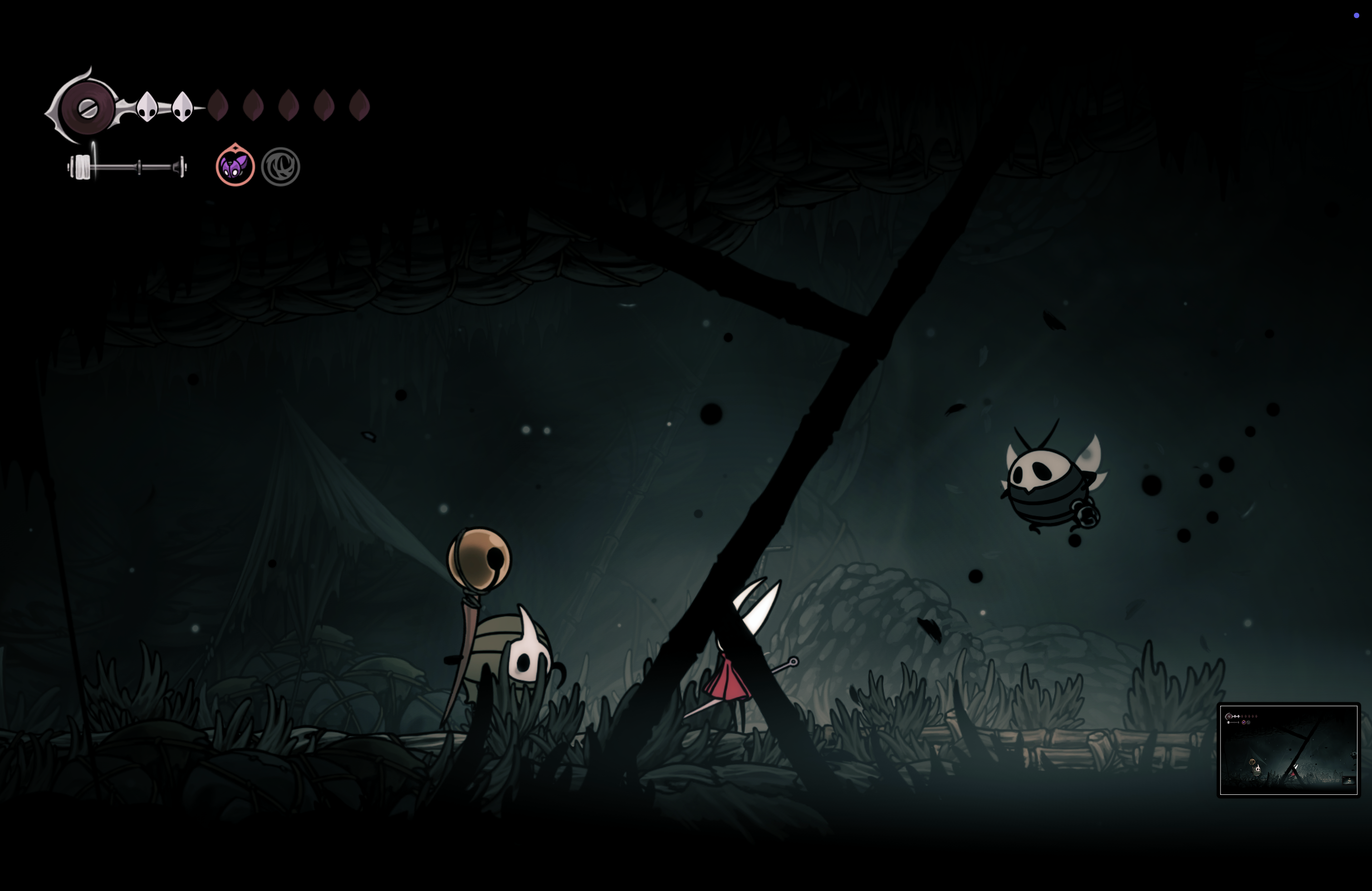
By the middle of the game, too many quests felt like padding. They were tied to the plot loosely enough to keep me moving, but they did not deepen the world or give the story much momentum. They added time because the game wanted more time from me.
The endgame made that problem impossible to ignore. It sent me back through familiar territory and asked me to repeat encounters I already knew. The plot had an explanation for this, but it never made the experience feel good.
None of that was difficult in the way the combat was difficult. It was repetition. It was a game turning progress into errands.
The long reset between attempts was worse. I timed some of them at more than two minutes even when moving as fast as I could. After a loss, there was a two-minute gap before another real attempt. That gap did not test a skill I had developed. It did not make the next attempt more meaningful. It did not teach me anything useful.
It was punishment without a lesson.
The true ending
There is an obvious answer to all of this: it is fine to stop playing a game when it stops being fun. That is true. I stopped.
But that answer leaves out the part that bothered me. I did not leave because I had seen enough. I wanted to see more of the world and get the actual conclusion. The game's structure pushed me toward quitting before I got there.
That is different from failing a challenge. I could lose a fair encounter and want another attempt. I could learn, improve, and eventually win. The time between those attempts changed the feeling entirely. So did the endgame's repeated detours. They did not make the ending feel earned. They made it feel gatekept behind content I did not want to play.
There was room for a cleaner split. Players who wanted a long challenge path could have had one. Players who wanted the story could have reached it without turning the last stretch into a test of tolerance for repetition. Silksong chose to bind those things together. That was an intentional design decision, and it was one I did not agree with.
Calling that a skill issue misses the point. The problem was not that the game asked something hard of me. It was that it asked for more time than the challenge, the story, or the world could justify.
The first ending
I have no regrets about the 70 hours I spent in Silksong. I enjoyed being in its world. It delivered enough discovery and enough excellent combat that I stayed with it far longer than a merely competent sequel could have managed.
But I probably should have stopped around 20 hours earlier, after that first ending, instead of chasing the true ending. By then I could already see where the remaining time was going: more downtime between meaningful moments, more detours for reasons that felt thin, and more gripes layered on top of something I had once been happy to play.
Silksong made a world worth finding. It did not make its ending worth chasing.